


Construction Field Management: A Practical Guide for Civil Engineers and Site Engineers
Learn How to Manage Construction Activities, Project Documents, Site Quality, and Safety
Successful construction projects require more than technical design knowledge. Engineers working on construction sites must understand project documents, coordinate with different teams, monitor construction activities, ensure compliance with specifications, and maintain quality and safety throughout project execution.
From reviewing contract drawings and bills of quantities to inspecting reinforcement, supervising concrete works, and managing excavation activities, construction field management involves a wide range of practical responsibilities.
For civil engineers, graduate engineers, site engineers, and construction professionals, developing these skills is essential for improving site performance and building a strong foundation for career growth.
If you want to strengthen your practical engineering knowledge, the Construction Management: Construction Field Management course by Mohammad Hamdan on Udemy introduces the essential documents, procedures, and construction activities that engineers encounter in the field.
Why Is Construction Field Management Important?
Construction field management connects engineering requirements with actual site execution. Engineers must ensure that construction activities are performed according to approved drawings, project specifications, method statements, inspection requirements, and applicable safety procedures.
Poor field management can result in construction defects, rework, delays, safety incidents, and disputes between project stakeholders.
Understanding the construction process helps engineers identify problems early, coordinate activities more effectively, and verify that completed works meet the required standards.
What Will You Learn in This Construction Field Management Course?
The course covers four main areas: project documentation, geotechnical investigation, field construction activities, and quality assurance and quality control.
1. Understanding Project Specifications
Project specifications define the materials, workmanship, testing requirements, and technical standards that construction activities must satisfy.
Learn how specifications are used alongside drawings and other contract documents to understand project requirements and verify compliance during construction.
For site engineers, knowing how to locate and interpret the relevant specification clauses is an important skill when reviewing materials, inspecting completed works, and addressing technical issues.
2. Bills of Quantities (BOQ) and Contract Drawings
Construction projects rely on several documents that serve different but complementary purposes.
The course introduces:
Bill of Quantities (BOQ): Understanding how construction items and quantities are organized.
Contract drawings: Interpreting architectural, structural, and other engineering drawings.
Shop drawings: Understanding detailed construction information, including reinforcement arrangements, bar spacing, and lap lengths.
Scope of work: Identifying the activities, deliverables, and obligations included in a project.
Understanding these documents helps engineers coordinate construction activities and identify discrepancies between design requirements and site conditions.
3. Method Statements, Safety, and Inspection and Test Plans
Before construction activities begin, project teams need to understand how the work will be executed, inspected, and controlled.
The course introduces method statements, site safety considerations, risk assessment, and inspection and test plans (ITPs).
You will explore how these documents support construction execution, including:
Defining the sequence of construction activities.
Identifying required equipment and materials.
Establishing inspection and testing requirements.
Identifying hazards and implementing appropriate controls.
Recording inspection results and verifying compliance.
These concepts are particularly useful for engineers involved in site supervision, quality control, and coordination with contractors and consultants.
4. No Objection Certificates (NOCs) and Trial Trenches
Existing underground utilities are a major consideration in infrastructure construction. Water pipelines, electrical cables, telecommunications services, and other utilities may conflict with proposed excavation works.
Learn about the purpose of No Objection Certificates (NOCs), utility coordination, and trial trenches.
Trial trenches help verify the actual locations and depths of underground services before excavation proceeds in potentially congested areas.
Understanding these procedures helps engineers appreciate the importance of identifying utility conflicts early and coordinating the necessary approvals and protective measures.
5. Geotechnical Investigation and Boreholes
Geotechnical investigation provides information about the soil and groundwater conditions that influence foundation design and construction methods.
The course introduces borehole investigations, soil sampling, and geotechnical investigation reports.
You will learn why engineers need to understand soil layers, ground conditions, and relevant investigation results before selecting suitable foundation systems or planning excavation activities.
This knowledge is valuable for site engineers working on buildings, bridges, roads, and other infrastructure projects.
6. Earthworks and Road Construction
Earthworks establish the required ground levels and formation for many construction projects.
The course introduces excavation, filling, embankment construction, removal of unsuitable material, and compaction.
It also provides a brief introduction to road construction activities and the importance of achieving the required formation levels and material properties.
These principles help engineers understand how earthworks influence settlement, pavement performance, and the quality of subsequent construction stages.
7. Concrete Construction and Reinforcement Steel
Concrete and reinforcement are fundamental components of many structural and infrastructure projects.
Learn about concrete ingredients, mix proportions, slump testing, compressive strength testing, admixtures, vibration, and curing.
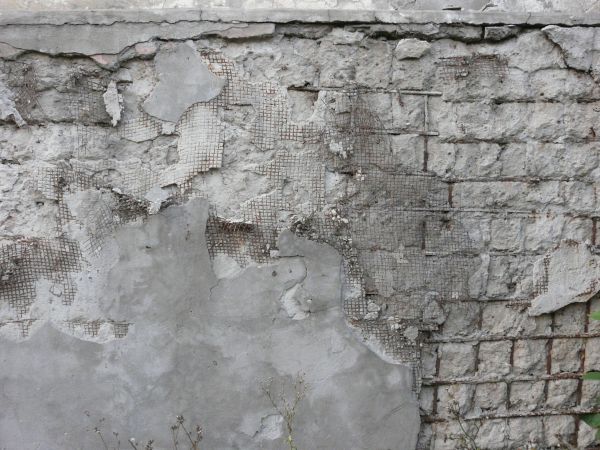
The course also introduces reinforcement steel, including deformed bars, welded wire fabric, concrete cover, lap lengths, and proper reinforcement fixing.
For site engineers, these topics provide a practical foundation for inspecting reinforcement before concrete casting and monitoring concrete placement and curing.
8. Formwork and Falsework
Formwork shapes fresh concrete, while falsework provides temporary support to formwork and structural elements during construction.
The course introduces the basic components and arrangements used in these systems, including supporting members and temporary construction supports.
Understanding these systems helps engineers appreciate the importance of proper installation, stability, loading, and inspection before and during concrete placement.
Temporary works must always be designed, installed, inspected, and used in accordance with approved procedures and project requirements.
9. Supporting Deep Excavations
Deep excavations may require temporary or permanent retaining systems to maintain ground stability and protect workers, adjacent structures, and underground services.
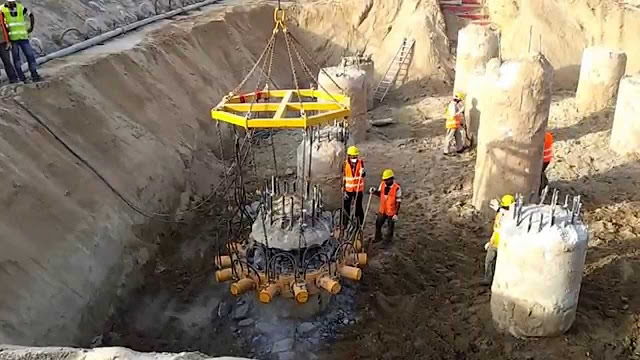
The course introduces different excavation support methods, including sheet piles, secant piles, and kingpost wall systems.
Understanding these methods helps engineers become familiar with the options used in different ground conditions and construction situations.
The selection and design of an excavation support system must consider the excavation depth, soil conditions, groundwater, nearby structures, and applicable safety requirements.
10. Foundations, Waterproofing, and Groundwater Control
Foundation construction requires an understanding of structural loads, soil bearing capacity, groundwater conditions, and the intended performance of the structure.
The course introduces shallow foundations, isolated and combined footings, raft foundations, and pile foundations.
It also covers waterproofing systems for foundations, wet areas, and roofs, as well as dewatering methods used to control groundwater during excavation.
These subjects are relevant to engineers involved in foundation construction, basement works, and general building and infrastructure projects.
11. Quality Assurance and Quality Control (QA/QC)
Quality management is a fundamental part of construction field management.
Quality assurance focuses on the systems and procedures established to prevent defects, while quality control involves inspection, testing, and verification of the completed work and materials.
The course introduces the distinction between QA and QC and explains their roles in construction projects.
Understanding these principles helps engineers recognize the importance of approved materials, inspection records, testing requirements, specification compliance, and timely identification of nonconformities.
Who Should Take This Course?
This course may be useful for:
Graduate civil engineers seeking practical knowledge beyond university studies.
Site engineers who want to improve their understanding of daily construction activities.
Quality control engineers and inspectors involved in construction inspections and testing.
Structural engineers who want to understand how design requirements are implemented on site.
Construction supervisors responsible for coordinating workers, equipment, and activities.
Civil engineering students preparing for their first construction-related role.
Infrastructure professionals who want to refresh their knowledge of construction procedures and documentation.
No formal prerequisites are listed for the course, making it accessible to beginners and professionals interested in strengthening their construction knowledge.
Course Details at a Glance
Course title: Construction Management: Construction Field Management
Instructor: Mohammad Hamdan
Platform: Udemy
Language: English
Course duration: Approximately 1 hour and 43 minutes
Course content: 4 sections and 23 lectures
Main topics: Project specifications, BOQ, contract drawings, shop drawings, method statements, NOCs, trial trenches, geotechnical investigation, earthworks, concrete, reinforcement, formwork, falsework, excavation support, foundations, waterproofing, dewatering, and QA/QC.
Prerequisites: None listed
Start Learning Construction Field Management Today
Engineering knowledge becomes more valuable when it can be applied effectively in real construction environments.
Understanding project documents, site procedures, construction materials, temporary works, foundations, and quality control helps engineers communicate more effectively with contractors, consultants, laboratories, and other project stakeholders.
Whether you are starting your engineering career or looking to strengthen your existing site experience, this course provides an introduction to the practical knowledge needed to understand and manage construction activities.
Explore the course on Udemy:
Construction Management: Construction Field Management – Enrol Now
Strengthen your practical engineering knowledge, understand construction activities with greater confidence, and take the next step in your civil engineering career.









Comments
Post a Comment