


TMT steel bar
TMT bars are thermally mechanically treated steel bars with high strength and good mechanical properties compared to mild steel bars. TMT bar is a new enhanced version of mild steel bars. The treatment process of TMT bars includes 3 stages: quenching, self tempering, and atmospheric cooling. The quality of produced TMT bars depends on the quality of raw materials, quality of rolling mill, and quality of quenching and tempering process.

Figure 1
The process of manufacturing steel is divided into two stages. The first stage is molten iron production. In this stage, iron-sand and coal are heated in a multi-hearth furnace—heating the raw materials done in stages. First, the furnace pre-heat the material to reduce the volatile matter present in coal from 44% to 9%. There are 12 hearths in each furnace. The mixture temperature will be increased gradually through these hearths. Finally, the temperature will be adjusted to 620 C.

Figure 1
The output after removal of the impurities introduced into the rotary kiln. In the rotary kiln, 80% of iron reduced to metallic iron over a period of 12 hours. The feed of the multi-hearth furnace is mixed with limestone and fed into the rotary kiln. In the first third of the rotary kiln, the mixture is preheated to a temperature of 900-1000 C. the last portion of the rotary kin is known as the reducing zone. In this portion of the rotary kiln, the solid iron oxide is reduced to metallic iron. This portion's temperature can reach up to 1100 C. air injected into the rotary kiln along with its length. The limestone is converted into lime, which acts as a flux in the melters. The waste gases scrubbed to remove solids and burnt to remove any flammable compounded before being vented to air.
Then the electric melter is fed with output of rotary kiln. The temperature at the melter reaches 1500 C. this temperature level will form two-layers. The lower layer is molten iron, while the upper layer is oxide slag. Molten iron and oxide slag is tapped periodically from the melter by drilling holes in the melter's sidewalls—Higher points for tapping the oxide slag and lower point to extract the molten iron.
The second stage is known as steelmaking. This stage is composed of various stages, as shown in figure no:3. In vanadium recovery, oxygen is blown into the molten iron surface, so it oxidizes silicon, titanium, manganese, and vanadium to form a slag that flows on the surface. At the same time, argon is blown to stir the molten iron mixture. Once the molten iron reached the specified value of vanadium, the slag will be removed. The second stage is the KOBM process. In this stage, the oxygen blown from the top and the bottom to oxidize the impurities. In this process, the containments are removed as oxidizing these containments produces a slag that flows on the molten iron's surface.
The final stage is the ladle treatment. In this stage, the final adjustment is made for iron to ensure that the molten steel composition is complying with specifications. The composition of molten iron can be checked by optical emission spectrometry, which determines the level of 15 elements in molten iron. if the test result is not ok, the molten iron is adjusted by adding alloying materials. If the levels of all material ok, the molten iron is taken into the casting machine.

Figure 3
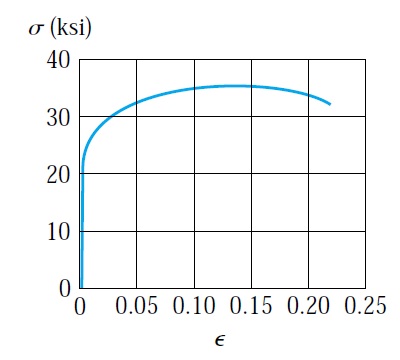
The first stage of thermo-mechanical treatment of steel is quenching. in this process, the hot-rolled bars are cooled by a water spraying system (thermex system). This process cools down the outer layer of the steel bars. The Cooling process will harden the outer core of steel rebar, which results in improving the rebar ductility. Self tempering is the second stage of TMT bars treatment, the hot core of steel rebar will transfer the heat to the outer layer, which results in tempering the outer layer. As a result of this process, a new structure called tempered martensite will be formed. Once the second stage is completed, the bars will be ready for atmospheric cooling. This is done by cooling the bars on the bed at normal temperatures. At this stage, the austenitic core turns into ferrite pearlite. The treated rebar will compose of a strong outer core and ductile inner-core. This process will increase the tensile strength and ductility of rebar. TMT steel bar has different grades, such as Fe415, Fe 415S, Fe 500, Fe 500D, Fe 500S, Fe 550D, Fe 600, etc.



wonderful post. this is very well written and unique. Thank you for sharing this post here. keep sharing this in future. TMT Suppliers India
ReplyDeleteUsually I never comment on blogs but your article is so convincing that I never stop myself to say something about it. You’re doing a great job. Please Keep it up.steel contractor in new york
ReplyDeleteYour blog is very valuable which you have shared here about steel. I appreciate your efforts which you have put into this article and also it is a gainful article for us. Thank you for sharing this article here.
ReplyDeleteSteel buildings Canada
The information you've provided is useful because it provides a wealth of knowledge that will be highly beneficial to me. Thank you for sharing about engineering consultants. Keep up the good work.
ReplyDeleteVery well written article. It was an awesome article to read. Read more info about Precision Casting Foundry. Complete rich content and fully informative. I totally Loved it.
ReplyDeleteThe article you've shared here is fantastic because it provides some excellent information that will be incredibly beneficial to me. Thank you for sharing about double girder eot crane. Keep up the good work.
ReplyDelete