


Hydraulic and Non-hydraulic Cement
There are two main types of cement. Hydraulic and non-hydraulic cement. Nowadays, hydraulic cement is used widely in the construction of concrete structures. On the other hand, the using of non-hydraulic cement decline sharply because it's less efficient and feasible compared to hydraulic cement.
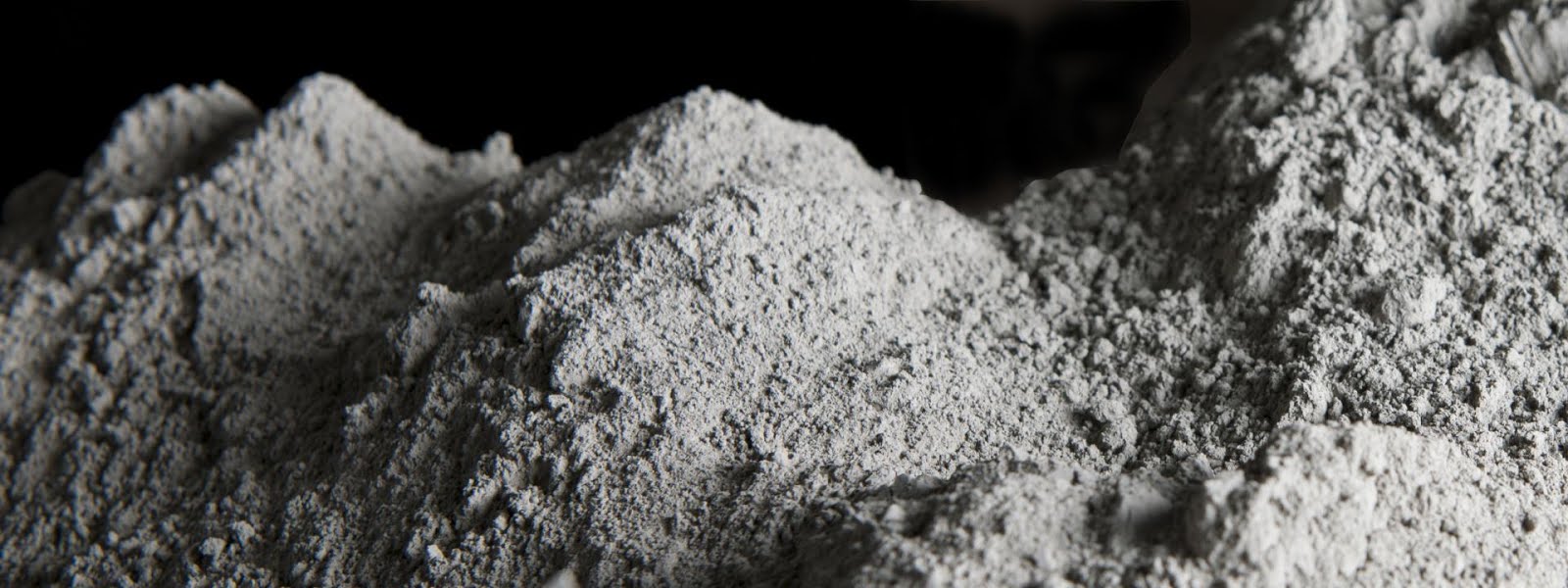
then calcium carbonate mixed with water to produce calcium hydroxide(Ca(OH)2)
Figure 1
non-hydraulic cement made from lime. Lime is formed from by the calcination of calcium carbonate(CaCo3) at a temperature higher than 825 C.
CaCO3 → CaO + CO2
Cao + H2O → Ca(OH)2
non-hydraulic cement gain strength by the carbonation process. Excess water should evaporate entirely before the beginning of the carbonation process.
Ca(OH)2 + CO2 → CaCO3 + H2O
non-hydraulic cement can't harden and gain strength underwater. The carbonation required a dry environment. Also, non-hydraulic cement develops strength at a lower rate than hydraulic cement.
Hydraulic cement outperforms non-hydraulic cement. Hydraulic cement has the ability to harden and gain strength underwater. Also, the rate of gaining strength is higher. Examples of hydraulic cement include hydraulic lime, pozzolan cement, and Portland cement. Hydraulic lime is composed of lime and clayey impurities. The pozzolan cement contains lime and volcanic rock powders. Hydraulic cement hardens and gain strength by hydration.







Tetra Engineering Pvt. Ltd. a leading best concrete mix company that is actively contributing to the growth of the construction market. We’re pioneering in ready-mix concrete with the production capacity of more than 80,000 cubic meters per month.
ReplyDelete