


Why is larger concrete cover normally used in marine concrete?
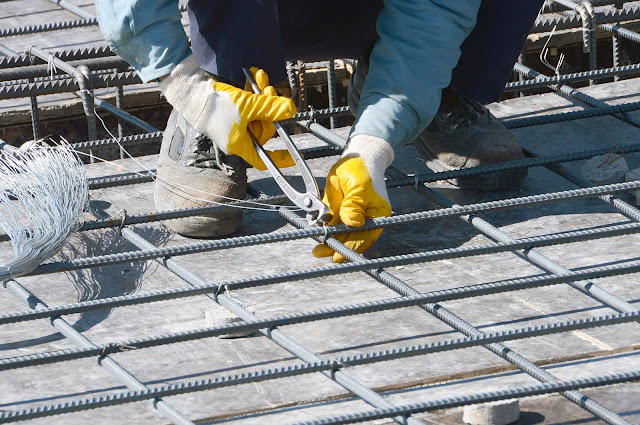
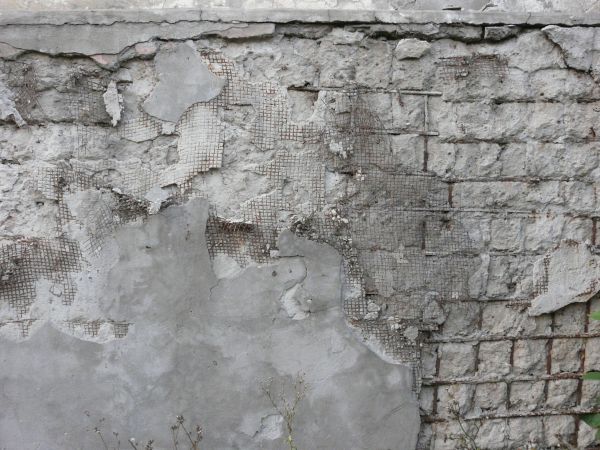
The concrete cover is provided for all reinforced concrete structures. It is provided to protect the reinforcement from the surrounding environment. The concrete cover will protect the reinforcement from the carbonation process and the ingress of aggressive chemicals. The carbonation process will reduce the Ph of concrete. Reducing the ph level of concrete will result in the acceleration of the rate of steel corrosion. Therefore concrete cover is provided to protect the reinforcement from the carbonation process. Also, the concrete cover provided to protect the reinforcement from the ingress of an aggressive chemical such as chloride. The presence of chloride can result in the corrosion of reinforcement. Protecting reinforcement from corrosion is essential. The corrosion of reinforcement will occupy a larger volume, which exerts stress on concrete, and this will cause concrete to crack and spall.

The concrete cover should be increased for structures located in a marine environment. The marine environment is considered an aggressive environment, and it contains a higher amount of aggressive chemicals compared to other environments. Therefore concrete cover should be increased for structures that exposed to the marine environment. Usually, a minimum cover of 75 mm is used for the structure located in a marine environment.
Figure 1
The concrete cover should be increased for structures located in a marine environment. The marine environment is considered an aggressive environment, and it contains a higher amount of aggressive chemicals compared to other environments. Therefore concrete cover should be increased for structures that exposed to the marine environment. Usually, a minimum cover of 75 mm is used for the structure located in a marine environment.






Comments
Post a Comment