


Curing of concrete
Curing of concrete will assist in providing a suitable environment for concrete to develop the strength rapidly. Curing will prevent the evaporation of water, and this will ensure the continuation of the hydration reaction. Curing is critical, and ignoring curing of concrete will reduce the concrete strength and durability. Curing can be done by covering concrete by burlap, mat, plastic sheet, and spraying water periodically to keep the surface of concrete moist all the time. Another method is by applying curing compound, curing compound will be sprayed to the concrete surface. Curing compound will form a thin layer at the concrete surface, this layer will prevent concrete from losing water. In the precast industry, steam curing is used, concrete cured using the steam method strength will develop rapidly. The concrete will develop at one day a strength similar to 7 days strength of normal concrete.


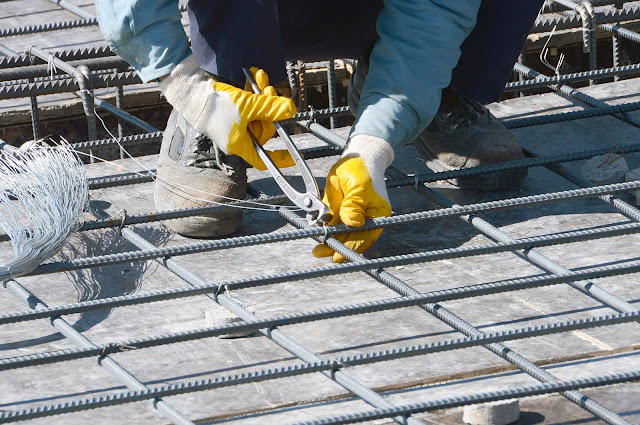
Figure 1
Precaution should be taken before placing concrete to avoid absorption of concrete moisture by formwork, formwork should be kept damp prior to concrete placing, in the event of casting concrete on soil subgrade, the soil should be wetted to avoid soil from absorbing concrete water. Concrete should be cured for a minimum period of 7 days.
Concrete will develop 70% of its strength at 7 days under the normal condition(room temperature). Curing of concrete at high temperature will accelerate the hydration process. Hydration products will form rapidly but not uniformly. This will reduce the long term strength of concrete. Therefore concrete placed in hot weather need to be cooled using chilled water or water mixed with ice, for a large structure, internal cooling system are installed in the concrete interior to reduce the concrete temperature. Increasing of concrete temperature due to hydration will result in thermal stresses and long term strength reduction.
Improper curing of concrete will lead to plastic shrinkage crack. Shrinkage can be defined as the contraction of concrete due to water evaporation. Cracks will develop when the concrete still plastic. The concrete size will reduce slightly due to water evaporation, the reduction of volume will be accompanied by downward movement if the movement restrained by reinforcement or large aggregate, long crack perpendicular to the concrete surface will develop above the reinforcement.
Figure 2(curing of concrete)
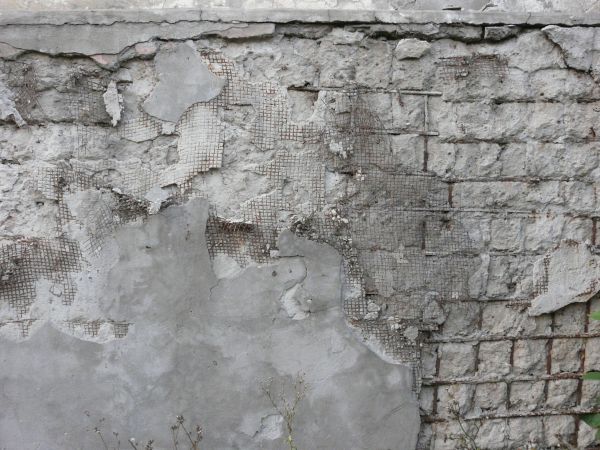
Figure 3(plastic shrinkage crack)








Comments
Post a Comment