


Deterioration of Concrete by Cyclic Freezing and Thawing
Cyclic
freezing and thawing can cause severe damage to concrete. the freezing and
thawing will damage the concrete if the concrete undergoes cyclic freezing and
thawing and if the pores inside concrete nearly saturated to more than 90%
during freezing. The water volume will increase by almost 15% during
freezing. Expansion of water inside the concrete pores will exert tensile
stresses on concrete, which may damage concrete. These stresses can fracture the
cement matrix and cause severe damage to concrete, which may reduce concrete
durability.


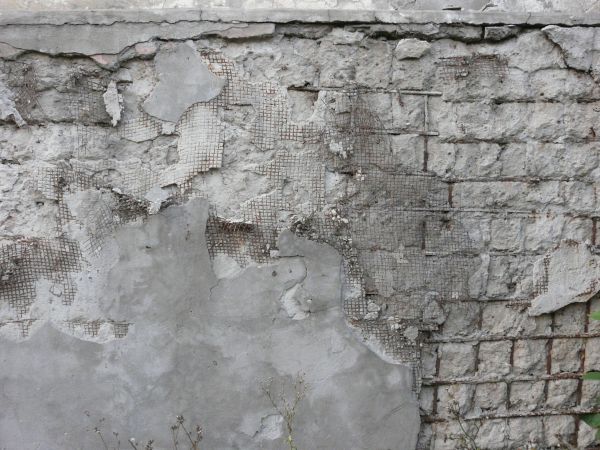
Figure 1
This type of
deterioration occurs from outside to inward in an almost layering manner. The rate
of progression of freeze-thaw deterioration depends on the numbers of
freeze-thaw cycles, condition of exposure, the porosity of concrete, and the
degree of saturation during the freezing. The tops of walls exposed to snowmelt
or water spray, horizontal slabs exposed to water, and vertical walls at the
waterline are the locations most commonly damaged by freeze-thaw deterioration.
Another type
of freeze-thaw deterioration called D-cracking. In this type of freeze and
thaw, the expansion occurs in low quality, absorptive coarse aggregates instead
of concrete. This type of deterioration commonly occurs at the corner of exposed
walls and slabs formed by joints. In this type of deterioration, a series of
roughly parallel cracks exuding calcite usually cut across the corners.
The using
air-entraining admixture can protect concrete from freeze and thaw
deterioration. Air-entraining admixture will form a series of small air bubbles
inside the concrete. During the freezing, these air bubbles will accommodate the
increase of water volume, which relieves the tensile stresses and prevent
concrete deterioration. Using the correct concentration of AEA will significantly
reduce the effects of freeze and thaw deterioration expect in very severe
climates.
The damage
due to cyclic freezing and thawing will occurs when the concrete is nearly
saturated. Therefore reduce the degree of concrete saturation and reducing or
eliminating the freezing and thaw cyclic will significantly reduce the damages of
concrete surface. Also, sealing the concrete surface by sealing compound will
significantly reduce the effects of freeze and thaw cyclic.
Repairing of
damaged concrete due to freeze and thaw can be done by replacing the damaged
concrete. The replacement concrete must contain air-entraining admixture to
protect concrete from further damage due to freeze and thaw cyclic.






Comments
Post a Comment